 KinswaJoin the waitlist
Polyester is plastic.
Most clothing sold today is spun from crude oil. Polyester, nylon, acrylic — plastic by other names. Every wash sheds fibers into rivers, into oceans, and eventually into us.
Kinswa exists to take the plastic out of getting dressed. We make clothing from natural fibers — led by hemp, the toughest of them all — grown in soil, returned to soil.
The first tee is coming.
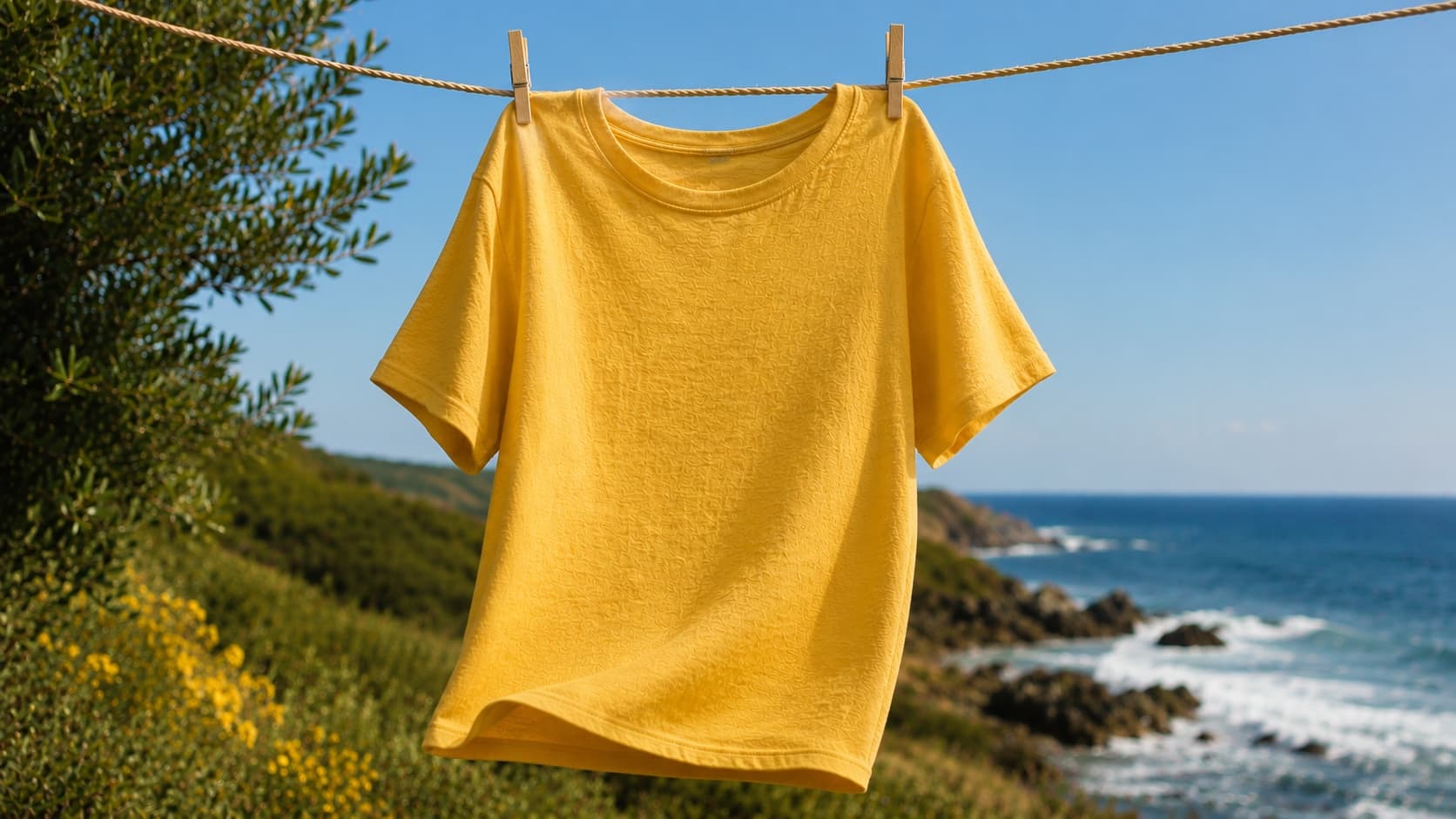
A hemp-based tee, cut to last — made entirely in the USA, without a gram of polyester. Tell us your size and preferred fit, and we’ll write when the first run opens.
What we believe
- Clothing should start in soil, not oil.
- Nothing you wear should shed plastic into the water.
- “Sustainable” should mean no polyester, no nylon, no acrylic, and no plastic thread.
- The best garment is simple: natural fiber, strong fabric, worn for years.
Hemp holds up.
One of the strongest natural fibers ever spun into cloth, and the reason Kinswa exists. We put it head-to-head with cotton and polyester, so you can read the difference like a label.

Wear plants.
No polyester. No nylon. No plastic thread holding a “sustainable” shirt together. All of it grown, all of it honest.
Join the waitlist